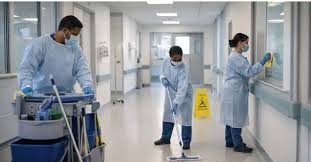
If you are searching for a stable job that plays a meaningful role in society, hospital cleaning work is one of the most important yet often overlooked career paths. Hospitals and healthcare facilities depend heavily on cleaners to maintain hygiene, prevent the spread of infections, and create a safe environment for both patients and medical staff. Without proper cleaning, even the most advanced medical treatment can be compromised. This makes hospital cleaners essential to the healthcare system.
Hospital cleaning jobs are also accessible to a wide range of job seekers. Many positions do not require advanced qualifications, making them ideal for individuals who are starting their careers, changing fields, or looking for reliable employment. At the same time, the role carries responsibility, discipline, and the opportunity to grow within the healthcare environment.
This detailed guide explains everything you need to know about hospital cleaning jobs, including duties, requirements, salaries, benefits, challenges, and how to apply successfully. It is written to be clear, informative, and useful for anyone considering this type of work.
Understanding the Role of a Hospital Cleaner
A hospital cleaner is responsible for maintaining a high standard of cleanliness in healthcare environments. This goes far beyond ordinary cleaning. In hospitals, cleanliness directly affects patient health, recovery, and safety. Cleaners help reduce the spread of infections by ensuring that surfaces, rooms, and equipment are properly sanitized.
Unlike general cleaning jobs, hospital cleaning requires attention to strict hygiene rules. Cleaners must follow detailed procedures, use specific cleaning chemicals correctly, and wear protective equipment when necessary. Every task must be performed carefully and consistently because even small mistakes can have serious consequences in a medical setting.
Hospital cleaners work in a variety of areas, including patient wards, emergency rooms, operating theatres, corridors, waiting rooms, offices, and restrooms. Each of these spaces has its own cleaning requirements, and cleaners are trained to understand these differences.
Key Responsibilities of Hospital Cleaners
Hospital cleaners carry out a wide range of tasks throughout their shifts. Their duties are structured, repetitive, and essential to maintaining a safe healthcare environment. While the exact responsibilities may vary depending on the facility, most roles include the following core tasks:
- Cleaning and disinfecting surfaces such as beds, tables, door handles, and medical equipment using approved solutions
- Removing waste safely, including general waste and medical waste, while following strict disposal procedures
- Mopping, sweeping, and maintaining floors to prevent accidents and contamination
- Restocking hygiene supplies such as soap, paper towels, and sanitizers in public and staff areas
- Following infection control guidelines to reduce the spread of bacteria and viruses
- Using protective gear such as gloves, masks, and sometimes gowns when required
These responsibilities may seem simple at first, but they require consistency, discipline, and awareness. Cleaners must understand which areas require deep cleaning, which require routine maintenance, and how often each task must be completed.
Why Hospital Cleaning Jobs Matter
Hospital cleaners are a critical part of the healthcare system. Their work supports doctors, nurses, and other healthcare professionals by ensuring that the environment is safe and hygienic. Patients recovering from illness or surgery are especially vulnerable to infections, and a clean environment significantly reduces this risk.
Cleaners also help healthcare facilities meet strict health and safety regulations. Hospitals are regularly inspected, and cleanliness is one of the most important standards. Without proper cleaning, facilities could face serious consequences, including health risks and operational disruptions.
In addition to safety, cleanliness also affects patient comfort and trust. A clean hospital creates a sense of professionalism and care, which is important for both patients and visitors.
Requirements for Hospital Cleaning Jobs
One of the advantages of hospital cleaning jobs is that they are open to many people. However, there are still important requirements that employers look for when hiring candidates.
- A basic level of education, often Grade 10 or Matric, depending on the employer
- Ability to read and understand instructions, especially safety guidelines
- Good physical health, as the job involves standing, walking, and lifting
- Attention to detail and a strong sense of responsibility
- Willingness to work shifts, including evenings, weekends, and public holidays
In addition to these basic requirements, employers value soft skills such as reliability, punctuality, and teamwork. Even though the role does not always require experience, having previous cleaning or general work experience can improve your chances of getting hired.
Working Environment and Conditions
Hospital cleaners work in environments that can be both physically and mentally demanding. The job requires long hours on your feet, repetitive tasks, and sometimes working in high-pressure areas such as emergency rooms.
Cleaners may also be exposed to unpleasant situations, including handling waste or cleaning after medical procedures. However, proper training and protective equipment are provided to ensure safety. Following procedures carefully is essential to avoid risks.
Shift work is common in hospitals because they operate 24 hours a day. This means cleaners may work early mornings, nights, or weekends. While this can be challenging, it also provides flexibility and opportunities for overtime in some cases.
Salary Expectations and Benefits
The salary of a hospital cleaner depends on factors such as location, experience, and the type of healthcare facility. Entry-level positions usually offer basic wages, while experienced workers and supervisors earn more.
In addition to salary, some employers provide benefits such as uniforms, training, overtime pay, and sometimes medical or pension contributions. Public hospitals and larger private facilities are more likely to offer structured benefits compared to smaller clinics.
Although the pay may start at a basic level, the stability of the job and the potential for growth make it a worthwhile option for many people.
Challenges of the Job
While hospital cleaning jobs are rewarding, they also come with challenges. Understanding these challenges helps you prepare mentally and physically for the role.
The work can be physically demanding, requiring strength and stamina. Cleaners often move equipment, stand for long periods, and repeat the same tasks throughout the day. There is also a level of risk involved, as cleaners may come into contact with hazardous materials or infectious environments. However, strict safety procedures and protective gear are designed to reduce these risks.
Another challenge is the emotional aspect of working in a hospital environment. Cleaners may witness difficult situations, including illness and emergencies. Being able to remain professional and focused is important in these circumstances.
How to Apply for Hospital Cleaner Jobs
Applying for hospital cleaning jobs is a straightforward process, but it requires preparation and attention to detail. Following the right steps can improve your chances of success.
First, you should search for job openings through hospital websites, job portals, or government employment platforms. Once you find a suitable position, prepare a clear and simple CV that includes your personal details, education, and any work experience you may have.
Next, submit your application according to the employer’s instructions. Some applications are completed online, while others may require you to apply in person. After submitting your application, you may be invited for an interview where you will be asked about your reliability, work ethic, and ability to follow instructions.
If you are successful, you may receive training before starting the job. This training will cover cleaning procedures, safety guidelines, and infection control practices.
Tips to Improve Your Chances of Getting Hired
Getting a hospital cleaning job can be competitive, so it is important to stand out as a candidate. Simple steps can make a big difference.
Make sure your CV is neat, clear, and easy to read. Highlight any experience you have, even if it is not directly related to hospital cleaning. Employers value reliability, so demonstrate that you are punctual and responsible. When attending interviews, dress neatly and present yourself professionally.
It is also helpful to apply to multiple facilities instead of relying on a single application. This increases your chances of getting a response. Showing a willingness to learn and follow instructions is another important factor that employers look for.
Training and Career Growth Opportunities
Many people start as hospital cleaners and later move into higher positions. With experience and additional training, you can progress into roles such as senior cleaner, supervisor, or even facility management.
Hospitals often provide on-the-job training, which helps you develop valuable skills. These skills can also be useful in other industries, such as hospitality, facility services, and general maintenance.
Continuous learning and a strong work ethic can open doors to better opportunities over time. Even though the job may start at an entry level, it does not have to remain there.
Safety and Hygiene Standards
Safety is one of the most important aspects of hospital cleaning. Cleaners must follow strict rules to protect themselves and others. This includes wearing protective equipment, using cleaning chemicals correctly, and handling waste carefully.
Proper hygiene practices must be followed at all times. Cleaners are trained to understand which areas require special attention and how to prevent cross-contamination. Reporting hazards and following instructions are essential parts of the job.
Frequently Asked Questions
Many people have questions about hospital cleaning jobs before applying. Understanding the answers can help you make an informed decision.
Hospital cleaning jobs often do not require prior experience, making them accessible to beginners. Training is usually provided, which helps new employees learn the necessary procedures. Some jobs are permanent, while others may be contract-based, depending on the employer.
There are also opportunities for growth within the field. With experience, you can move into supervisory roles or specialize in certain areas of cleaning. This makes the job more than just a temporary option for many people.
Conclusion
Hospital cleaners are essential workers who contribute directly to public health and patient safety. Their work ensures that healthcare facilities remain clean, safe, and functional. Although the job can be demanding, it offers stability, accessibility, and opportunities for growth.
If you are looking for a reliable job where your efforts make a real difference, hospital cleaning is a career worth considering. By understanding the role, preparing a strong application, and demonstrating a willingness to work hard, you can improve your chances of securing a position in this important field.
